
A day in the life
You have watched your student come home from school shut down, and you have already gone looking for something else. Homeschool asked you to become the teacher. This is the third option: one real school day, with a licensed Utah teacher and a class full of classmates, from home.
Where Learning Knows No Bounds
Inside a Class Period
What a class period actually looks like
The headset is part of the period, not the whole day.
Class time in the headset, independent work at your student’s pace, and breaks in between — live with the teacher in grades 4–8, self-paced in high school. The same rhythm as any school, from home.
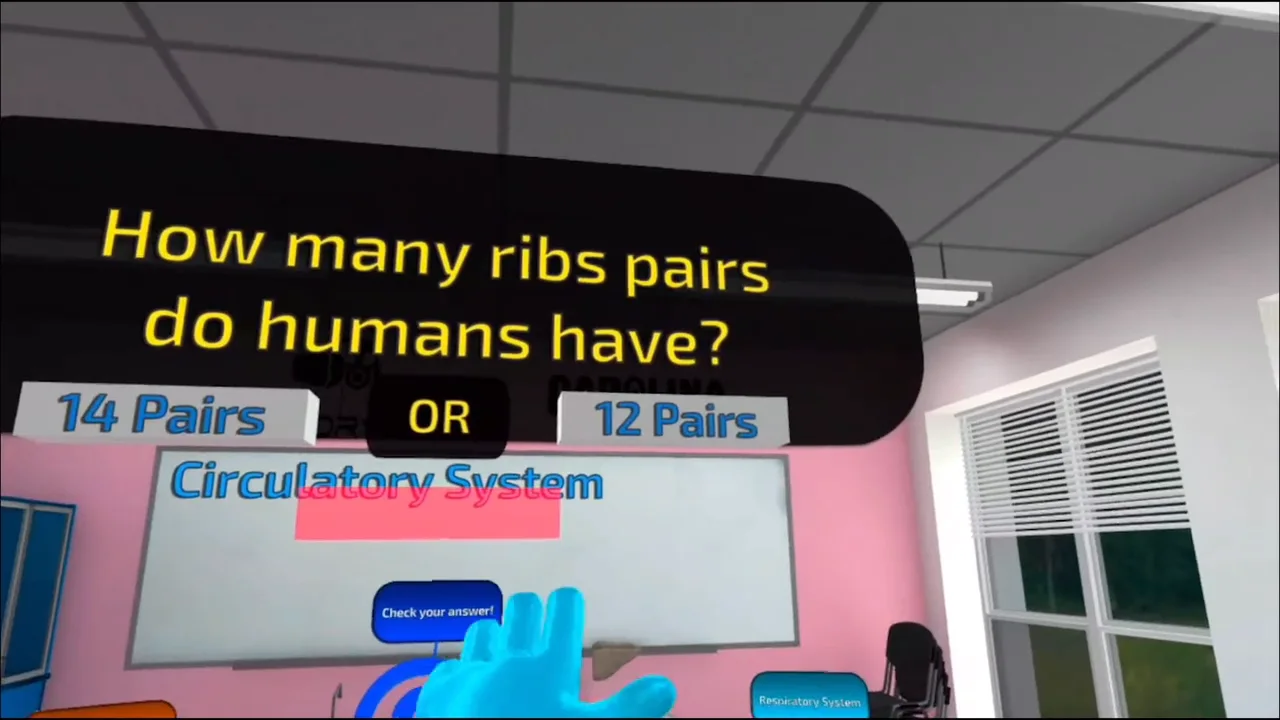
“If you’re a kid like me with ADHD, I had a lot of energy. I didn’t like sitting down. With VR, you don’t have to do that… As teachers, I won’t know if your kid is sitting down or standing up because their avatar will be there in the classroom. And so whatever works for your child will work for VR.”
 Brian Steffensen · Middle School Social Studies
Real Class Moments
What it sounds like in class
This is what curiosity sounds like.
In one lesson the class is working through Utah’s cities. In another they are underwater, surrounded by coral. In a third they are standing under Saturn. Students wonder out loud, and the teacher turns every question into the next thing they explore: young minds given room to be curious.
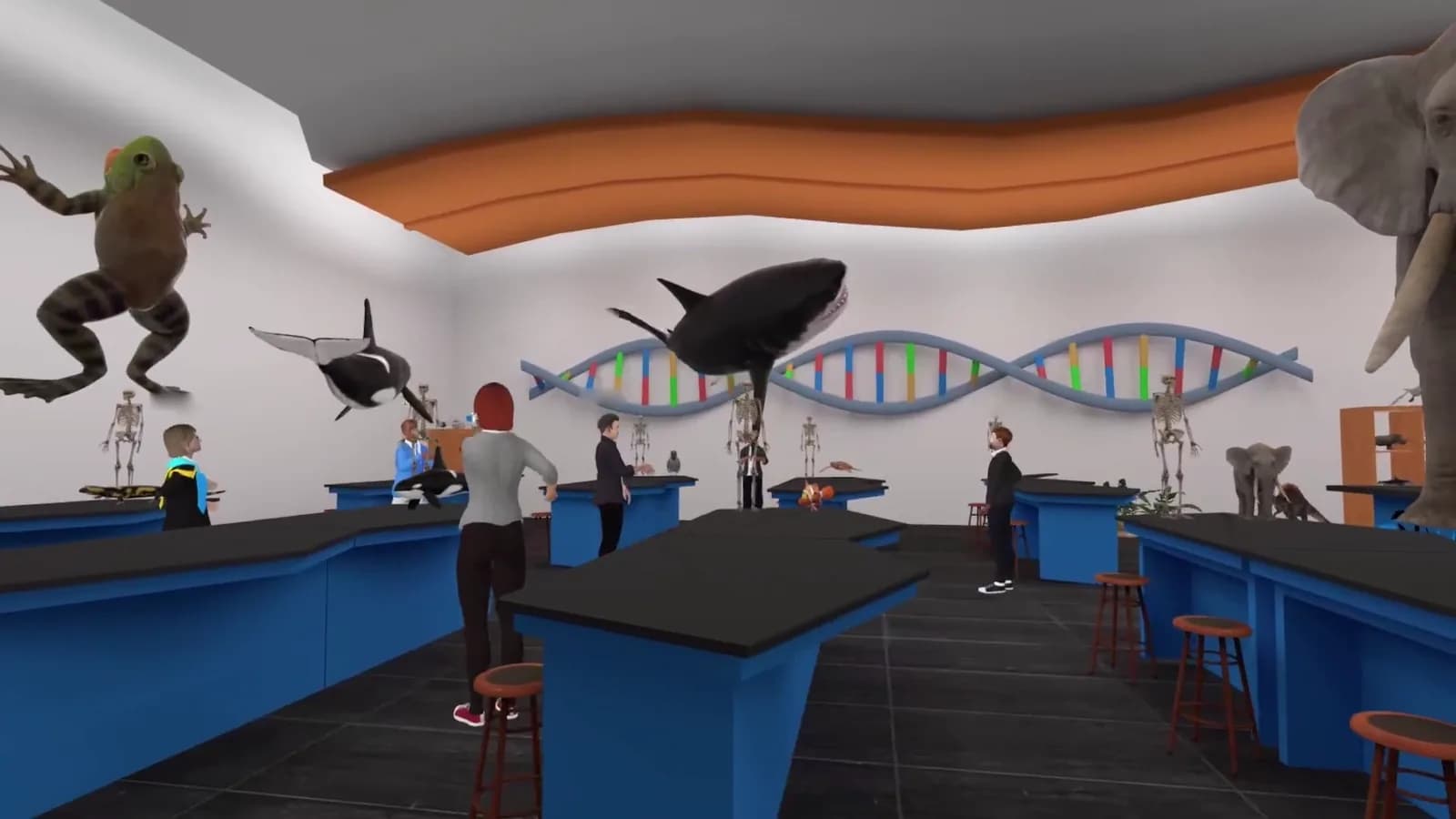
“How can that fish swim through coral?” “Isn’t coral like, doesn’t the coral cut you?” “Why are the sharks over there by the rocks in the dark?”
“Is Salt Lake big? Is Ogden big? Is St. George big? Is Helper and Price big? Are they growing?”
A Real Lesson
Building a cell, part by part
The science lesson opens in a biology classroom. On the teacher’s table sit the parts of a cell: a nucleus, endoplasmic reticulum, mitochondria, a Golgi apparatus. Students grab one, turn it over, and examine it up close, the way a textbook diagram never lets you.
Then they carry the parts back to their lab tables and rebuild a complete cell inside the cell wall, with a finished reference cell nearby to check their work against. The lab runs solo, in pairs, or in groups of four or five. The point is interacting with each part until your student understands what it does.
“It doesn’t have to be perfect.”
 Amanda Gladden · Science Teacher, Middle School · during the VR cell lab
Synchronous and Asynchronous
Flexible by design
Grades 4–8 meet live with the teacher on a set schedule. Our high school program, grades 9–12, is fully asynchronous: students work at their own pace, with no set meeting times, so school fits around everything else in their life.
One Example
A sample daily schedule
Every grade’s day looks a little different. This is the shape of one of them, start to finish.
8:00 AM
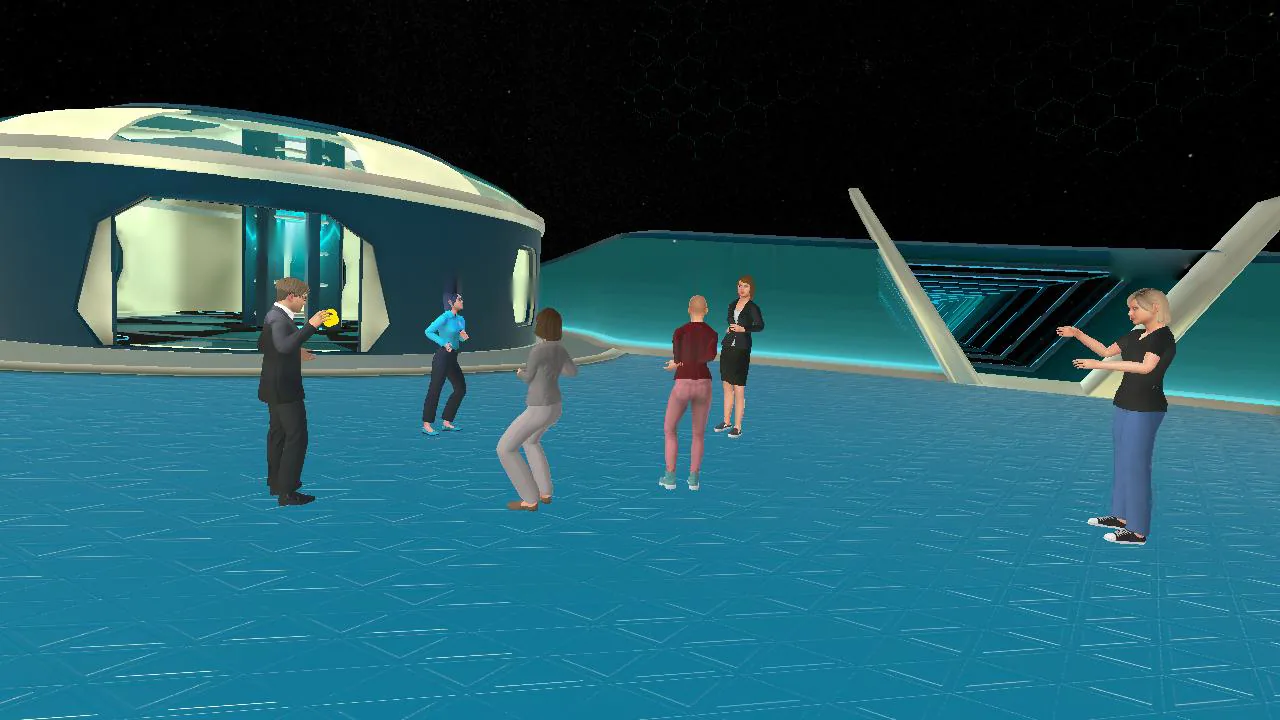
Morning Homeroom
Students gather in a shared VR space to kick off the day with their teacher and classmates.

8:30 AM
Language Arts
Immersive reading and writing activities in 3D environments, from ancient libraries to futuristic writing labs.

9:30 AM
Mathematics
Interactive, hands-on problem solving with visual tools and real-world simulations inside virtual reality.
- 10:30 AMBreak & Movement

10:45 AM
Science
Students gather around life-size models and run experiments together in a shared virtual lab.
- 11:45 AMLunch & Independent Time
12:30 PM
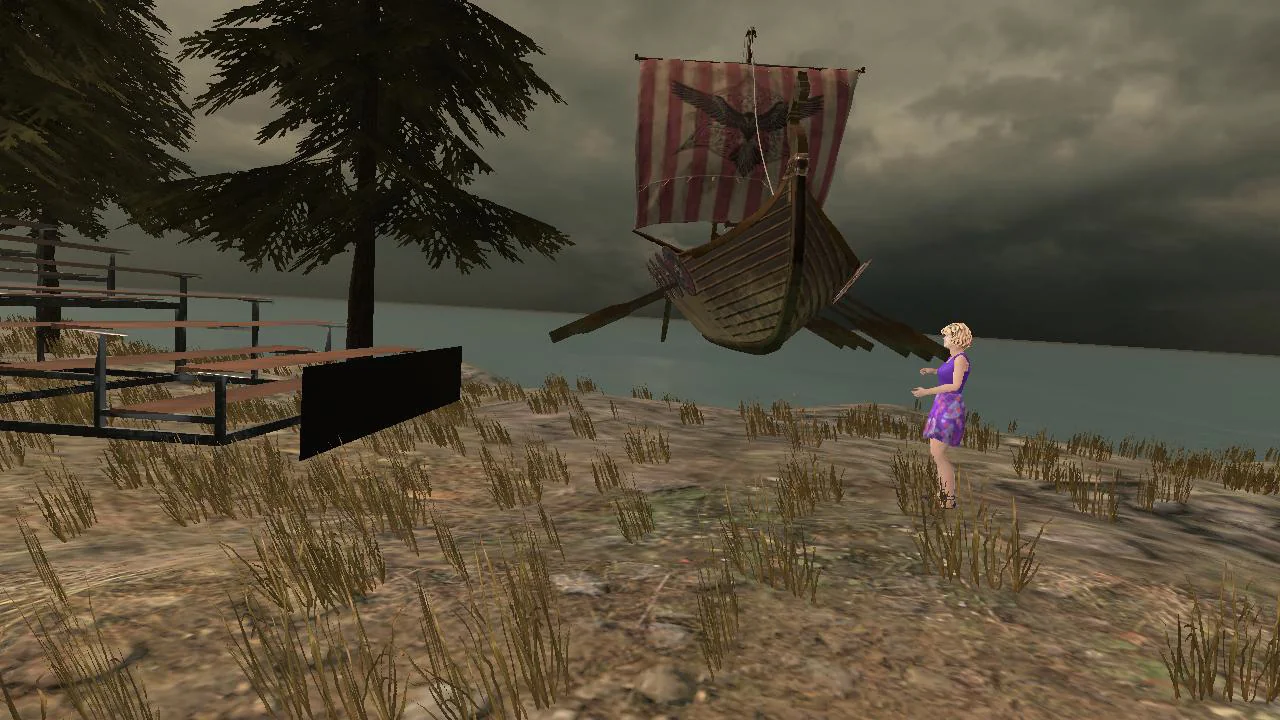
Social Studies
Students walk through historical sites, travel the globe, and study how communities govern themselves in shared 3D space.
1:30 PM
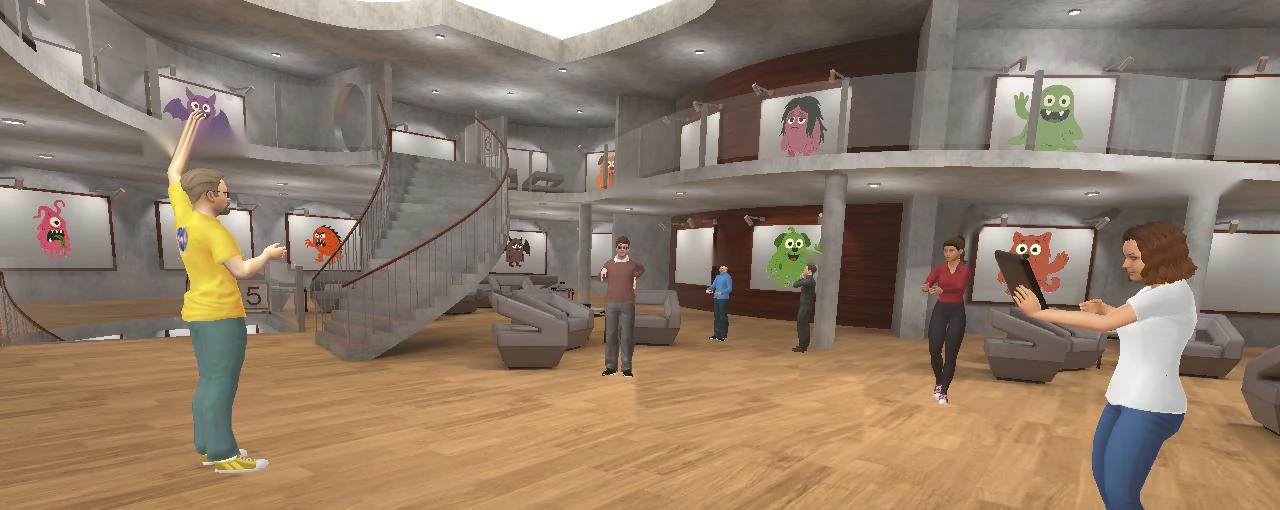
Electives
Art, Robotics, Music, and Physical Education. Elective choices rotate by grade level and semester.
2:15 PM
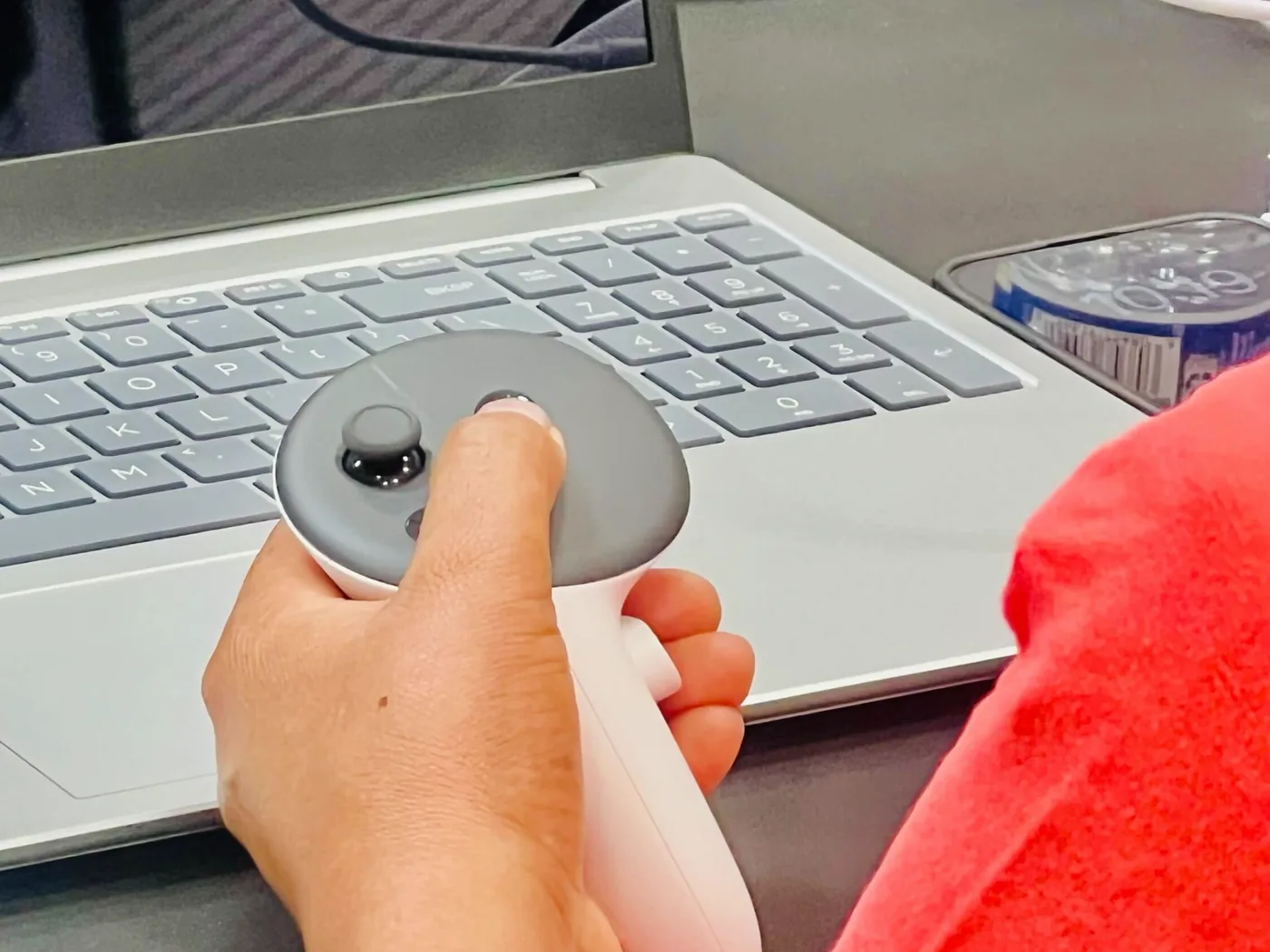
Asynchronous Work
Self-paced projects, reading, and practice assignments students complete on their own schedule.
- 3:00 PMDay Complete!